Knowledge Bases decide what the platform may answer from.
Load the SOPs, manuals, reports, spec sheets and records you already own. A Knowledge Base sets exactly what the platform is allowed to answer from, so every answer stands on sources you approved and names the one it came from.
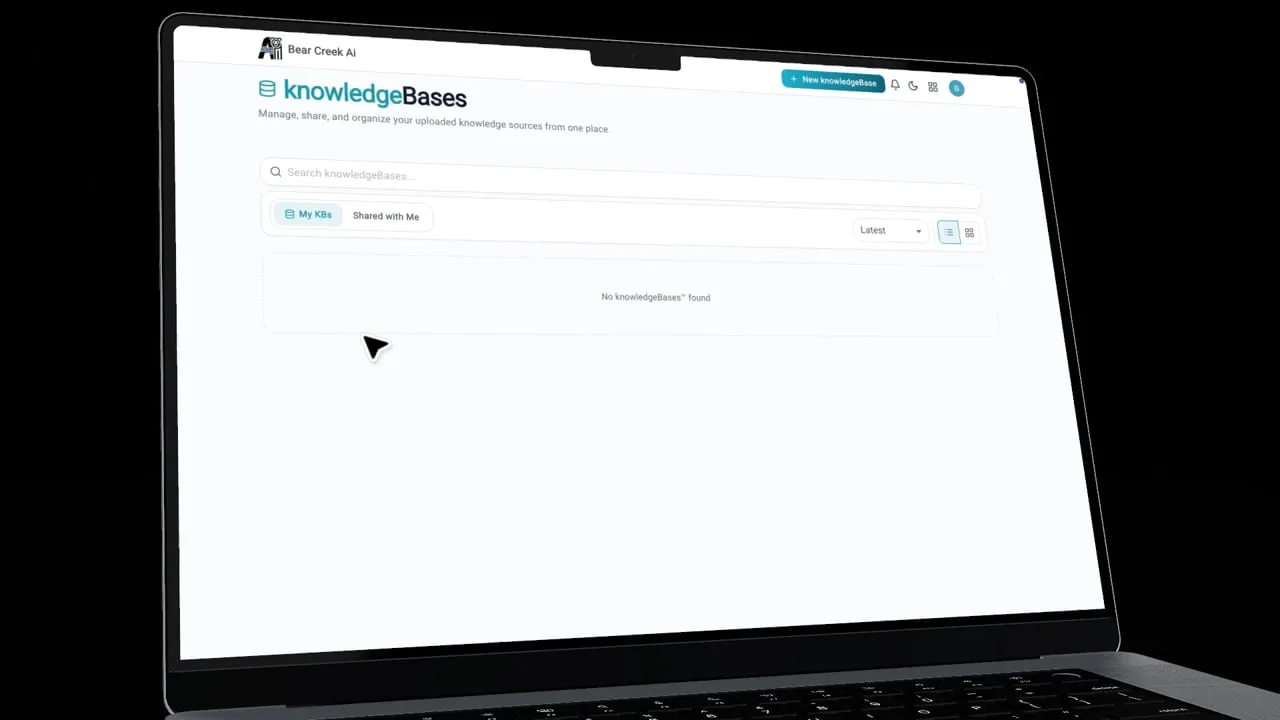 Knowledge Bases
You already own the answer. That is the frustrating part.
Nothing here is a knowledge gap. It is a retrieval gap, and it costs the same.
The answer is in the archive. Nobody can say which file.
A 1985 hydrostatic test record, a superseded coating spec, the report that settled this exact question four years ago. It is all in there, which is not the same as being findable.
The folder nobody has opened since the merger.
Two drives, three naming conventions and a shared inbox. New hires do not know it exists; the people who do are the ones you least want interrupted.
A general AI tool will answer from anywhere.
Point a public assistant at a technical question and it will happily answer from the internet, from a superseded edition, or from nothing at all, in the same confident tone.
The sources, governed.
Your documents become the only thing the platform answers from: scoped, current, and cited.
Bring the documents as they are
PDFs, spreadsheets, drawings, scanned manuals and records ingest as-is, into your own tenant. No re-foldering project, no cleanup phase before you see value, and nothing used to train outside models.
Scope is the product
A Knowledge Base defines what the platform may answer from. Approve a set of sources and every answer stands on those, so the wrong edition and the wrong document simply are not in play.
Everything downstream inherits it
Chat, Citations and Agentic Apps all run on these Knowledge Bases. Fix a source once and every surface is fixed, because there is only one place the answers come from.
Point it at the folder your documents live in.
Not an import, a connection. The Knowledge Base keeps pace with the source, and you decide what is in scope.

Scope is not a setting. It is the whole idea.
This is the line between a Knowledge Base and a search box pointed at a drive.
Role-scoped
Decide which teams reach which Knowledge Bases. Commercial terms stay with the people who negotiate them; the field sees the field manual.
Current, not historical
Connect the folder your documents already live in and the Knowledge Base keeps pace with it. Supersede an edition and answers move with it.
It tells you rather than reaching
Ask something the approved sources do not cover and it says so. That is a property of the scope you set, not a setting you have to remember to turn on.
Answers name the source they came from, and you can open it and read it yourself, that is Citations. The access model, SSO and audit side lives on Enterprise.
Connects to the systems you already run
KnowledgeXpert connects to where your documents already live and writes results back to your systems of record, no rip-and-replace.





Connector availability varies by plan and deployment, and we add connectors, including custom systems via API, to fit your stack.
One platform. Every governed tool.
Knowledge Bases is the substrate. The other governed tools all answer from it.
See your own documents become a cited knowledge base.
Thirty minutes, your own documents, every answer cited to its source.