Custom enterprise apps, built for your team’s work.
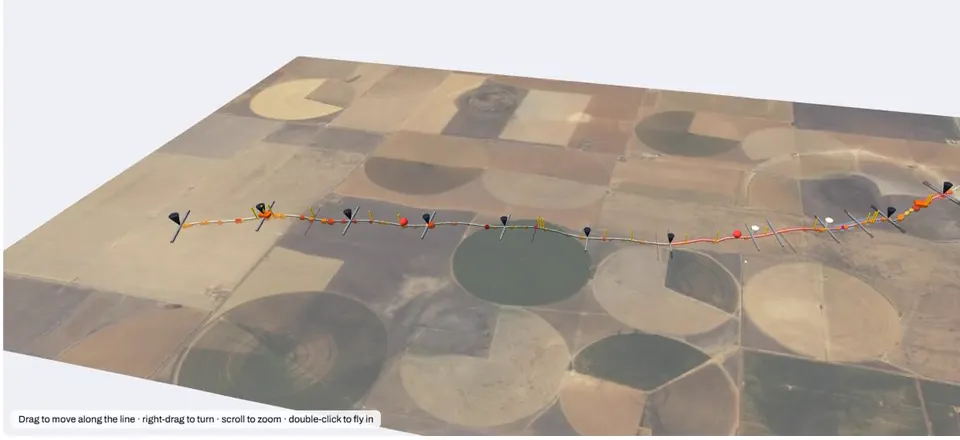
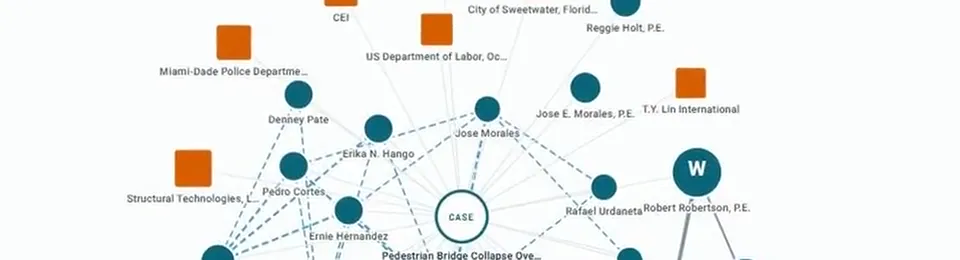
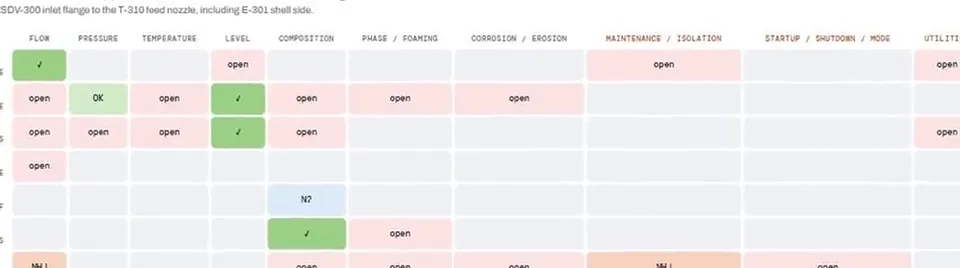
Agents that finish the work.
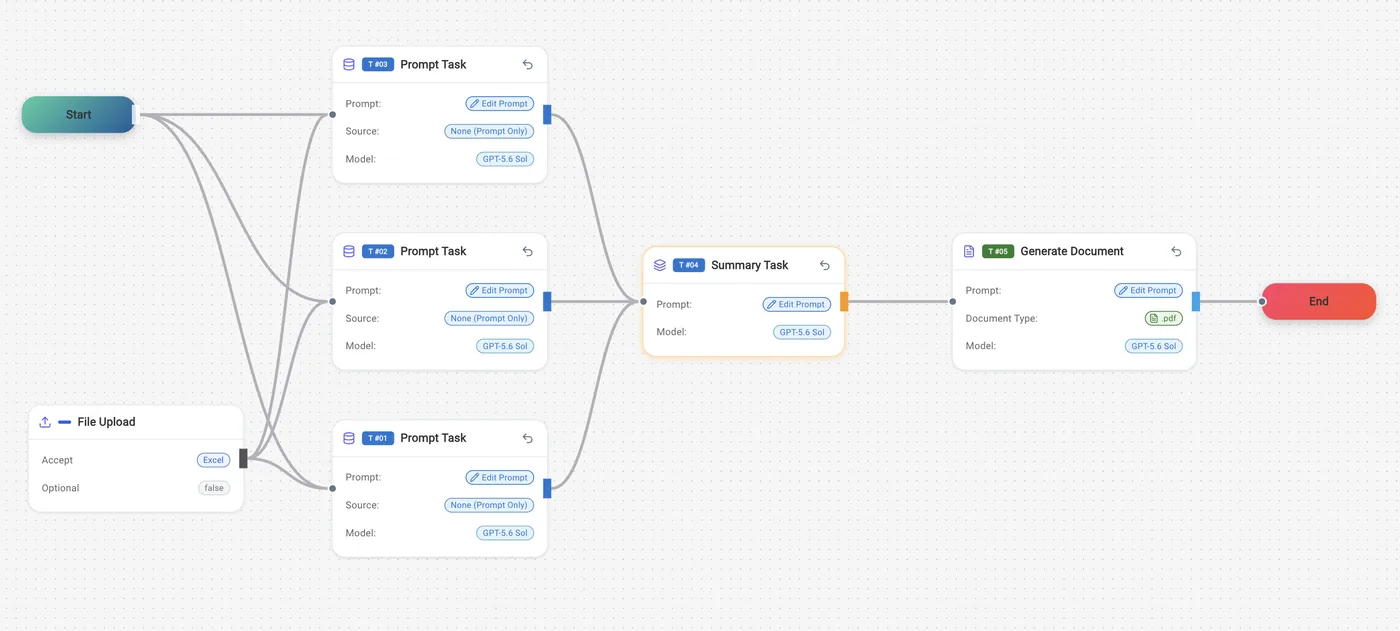
Spec & code cross-reference
The controlling code and the matching spec, cited to the clause.
Audit evidence builder
The records an inspector asks for, in one defensible package.
Rule change impact
Every asset and record a revised criterion touches, traced to the page.
Connected to the systems you already run.



















Governed sources, and the public record.


Straight answers.
Is this just another chat interface?
No, and it is worth being precise about why. Chat is one of several surfaces here and the least interesting of them. What the platform is for is a set of documents you approved, answers that name the page they came from, workflows that run several steps and end in a finished cited deliverable, and a record of who asked what. A chat box with none of that underneath it is a different product. If you want the side-by-side with ChatGPT or Copilot, it is on the ChatGPT and Copilot alternative page.
What is tribal knowledge?
Tribal knowledge is what a team knows that is not written down anywhere: which edition of a code a client actually follows, why a repair was done the way it was, which past report already answers the question. It lives in senior people and in documents only they know how to find, so it leaves when they retire or move on.
What are other words for tribal knowledge?
Institutional knowledge, tacit knowledge, undocumented know-how and organizational memory all describe it. Tacit knowledge is the narrowest of them, the judgment that is hard to write down at all. Institutional knowledge leans toward what a whole organization knows, and tribal knowledge usually means what one team or a few senior people carry.
How do you turn tribal knowledge into a searchable knowledge base?
Load the documents your experts already rely on, specs, reports, redlines and procedures, into governed Knowledge Bases. Let the team ask the questions they used to walk down the hall to ask, with every answer cited to the page. When the answer is not in the documents, that is the signal to capture that piece of judgment as a record while the expert is still here.
How is KnowledgeXpert different from Guru?
Guru is a company wiki: people write cards and the tool helps colleagues find and verify those cards. KnowledgeXpert answers from the documents you already have, specs, codes, reports and SOPs, and every answer cites the page it came from. Nothing has to be rewritten into cards first, and it can run air gapped on your own hardware.
How is KnowledgeXpert different from Glean?
Glean is enterprise search across your SaaS tools, built for breadth. KnowledgeXpert is built for depth on governed sources: you decide which Knowledge Bases are approved, every answer cites the page, and when the answer is not in those sources it says so. It also runs air gapped where records cannot leave the building.
Can KnowledgeXpert replace NotebookLM for technical documents?
For a team, yes. NotebookLM is a personal notebook over the files one person uploads, so each person builds a private silo. KnowledgeXpert gives the whole team shared, role scoped Knowledge Bases, citations to the exact page, an audit trail, and a deployment your security review can approve, including air gapped.
Is KnowledgeXpert knowledge management software?
Yes, the governed kind. Knowledge management software organizes what an organization knows. KnowledgeXpert does that over the documents you approve and adds cited answers, agentic apps and an audit trail on top, and it does not train models on your data.